
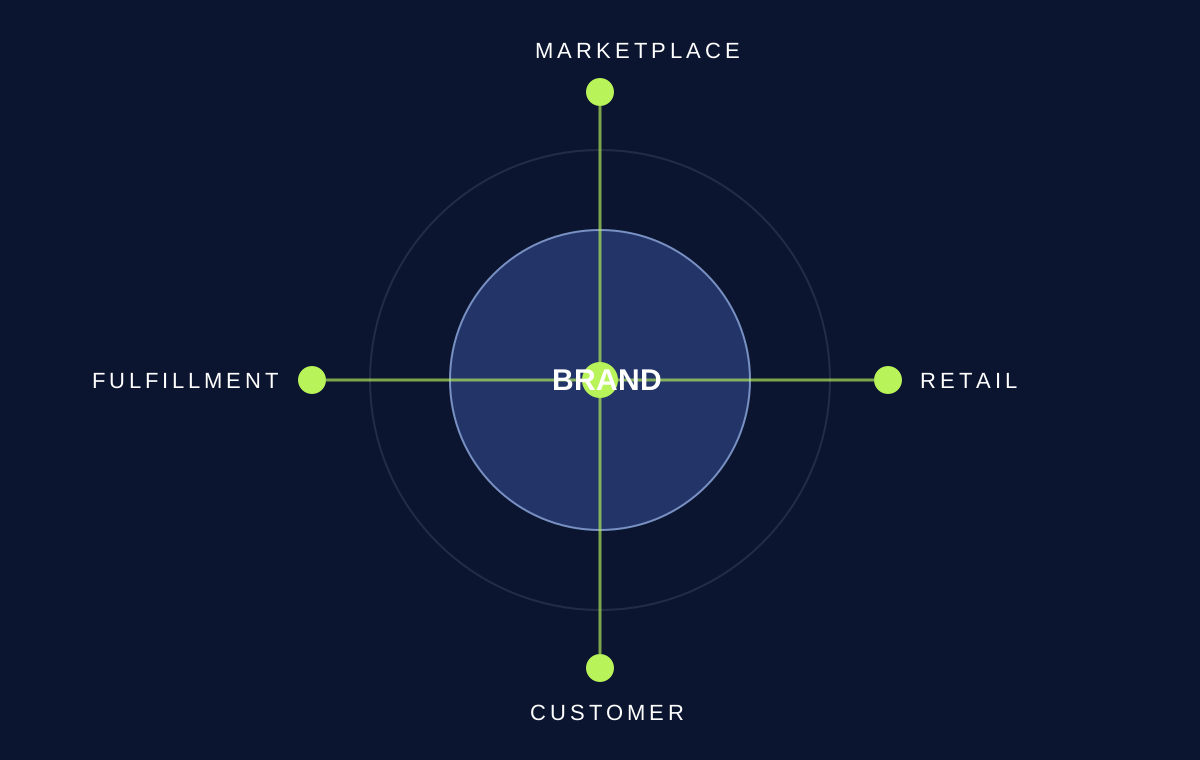
Selling through several channels does not automatically create an omnichannel business. In many companies, every new channel adds another inventory pool, operating team, report, and customer experience.
Build around the customer promise
Begin with the experience the brand wants to deliver: reliable availability, consistent product information, predictable delivery, and responsive support. Channel processes should serve that promise rather than operate as separate businesses.
Connect the operating layers
An effective omnichannel engine links demand planning, inventory allocation, fulfillment, distribution, content activation, and customer service. Shared data is important, but shared accountability is what keeps the model coherent.
Choose metrics that cross channels
- Contribution margin after cost-to-serve.
- Inventory age and sell-through across all locations.
- On-time fulfillment and cancellation rate.
- Customer lifetime value across online and offline touchpoints.
Integration removes duplicated work and makes growth easier to govern. The result is not simply more channels. It is one operating system capable of serving customers wherever they choose to buy.